Solar Freezer Prices in Nigeria 2026: A Complete Engineering Guide
Discover the true cost of running refrigeration on solar in 2026. Learn how to size your system and avoid the hidden costs of low-quality inverters.
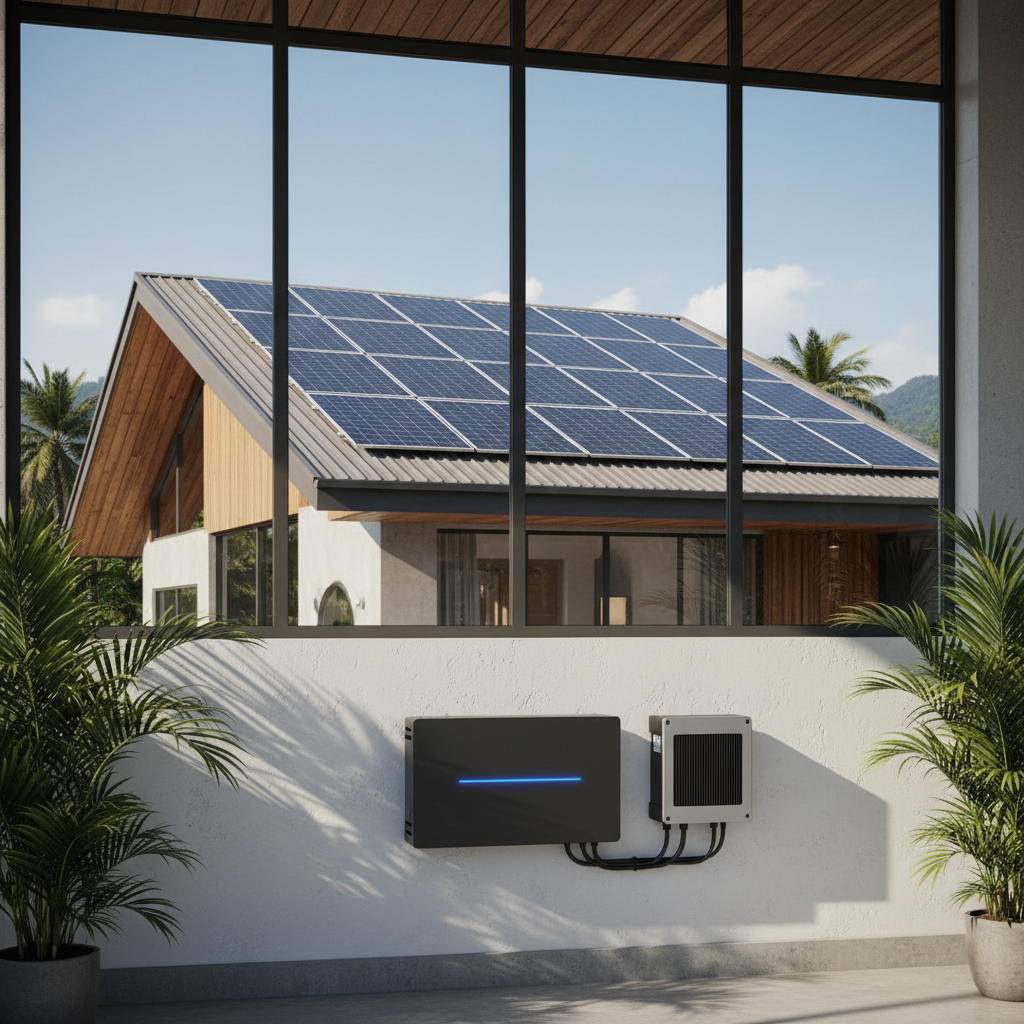
Why Solar Freezer Prices in Nigeria Matter in 2026
As we navigate the energy landscape of 2026, the intersection of inflation and grid instability has moved solar refrigeration from a luxury to a critical infrastructure requirement for Nigerian households and businesses. With the Nigerian Electricity Regulatory Commission (NERC) implementing multi-year tariff orders that reflect the true cost of gas-to-power, the era of subsidized cooling is over.
For the average consumer, looking for solar freezer prices in Nigeria 2026 is not just about the sticker price of a chest freezer. It is about the holistic cost of an energy system capable of sustaining inductive motor loads through the night. Whether you are dealing with the planned load shedding from Eko Electricity Distribution Company (EKEDP) or the unpredictable 'dumsor' cycles impacting our neighbors via the Electricity Company of Ghana (ECG), the financial math has shifted heavily in favor of decentralized solar.
By the numbers: According to the International Renewable Energy Agency (IRENA), the levelized cost of electricity (LCOE) for off-grid solar in West Africa has dropped by 45% since 2018, while diesel prices in Nigeria have seen a 300% volatility spike in the same period.
Real-World Load Profile: Refrigeration Needs
To understand pricing, we must first categorize the load. A common mistake in the Nigerian market is purchasing a freezer based on volume (liters) without considering the surge current (LRA - Locked Rotor Amps). A 300-liter freezer might only consume 150W while running, but it requires up to 1,500W to start the compressor.
| Load Type | Rated Power (Watts) | Daily Run Time (Hours) | Daily Consumption (kWh) |
|---|---|---|---|
| DC Solar Freezer (Small) | 60W | 12 (Cycling) | 0.72 kWh |
| Standard AC Chest Freezer | 150W | 10 (Cycling) | 1.50 kWh |
| Large Double Door Fridge | 250W | 12 (Cycling) | 3.00 kWh |
| Commercial Display Cooler | 500W | 18 (High usage) | 9.00 kWh |
Most users looking for refrigeration solutions will find our /bundles#gold package ideal, as it balances the high surge requirements of compressors with sufficient battery autonomy for cloudy days.
Inverter Sizing Math: The Power Factor Reality
When calculating the cost of a system for a solar freezer, the inverter is your engine. In 2026, we strictly recommend Pure Sine Wave inverters. Modified sine waves will cause the compressor coils to overheat, leading to premature failure and voiding warranties.
Engineers calculate sizing using the formula:
Required VA = (Running Wattage x Surge Factor) / Power Factor
For a standard 200W freezer with a 6x surge factor and an inverter with a 0.8 Power Factor (PF):
(200W x 6) / 0.8 = 1,500 VA minimum.
Engineer's note — Maypatronic Solar Engineering Team: Always oversized your inverter by at least 25% above your calculated peak surge. In the Nigerian heat, ambient temperatures inside battery rooms often exceed 35°C, causing de-rating in electronic components. A 3kVA system is the safest baseline for a dedicated refrigeration setup.
LiFePO4 Battery Sizing Math
In 2026, Lead-Acid and Gel batteries are obsolete for serious solar applications in West Africa due to their poor thermal tolerance. Lithium Iron Phosphate (LiFePO4) is the standard. Unlike Lead-Acid, which you can only discharge to 50%, LiFePO4 allows for an 80-90% Depth of Discharge (DoD).
To size a battery for a freezer consuming 2kWh daily with 1 day of autonomy:
Battery Capacity (Wh) = Daily Consumption / (DoD x Efficiency)
2,000Wh / (0.8 x 0.95) = 2,631 Wh (Approx 2.6kWh or 100Ah at 25.6V).
By the numbers: Data from BloombergNEF indicates that LiFePO4 cells now offer over 6,000 cycles at 80% DoD, meaning a properly managed battery in Lagos or Accra will last over 10 years, compared to just 2 years for tubular gel batteries.
You can use our /estimator to calculate your specific battery requirements based on your freezer's energy star rating.
Solar PV Array Sizing and Roof Footprint
Nigeria receives an average of 4.5 to 6.5 Peak Sun Hours (PSH) depending on whether you are in Port Harcourt or Kano. However, NIMET data reminds us of the Harmattan season, where dust occlusion can reduce panel efficiency by up to 30%.
To ensure your freezer stays cold in December, we size the array for the worst-case scenario:
Required PV (Wp) = (Daily Consumption x 1.3 for losses) / PSH
2,000Wh x 1.3 / 4.5 = 577 Wp
This would typically require two 450W-550W high-efficiency Mono-PERC or N-Type panels. The physical footprint for this is roughly 5 square meters of roof space. For businesses with multiple freezers, our /business consultancy helps optimize larger roof layouts to maximize yield.
Indicative Cost Breakdown in NGN (2026 Estimates)
Prices in 2026 are influenced by foreign exchange liquidity and global silicon prices. Below is a projected breakdown for a mid-range system capable of powering a large chest freezer and basic lighting.
| Component | Specification | Estimated Price (NGN) |
|---|---|---|
| DC Solar Freezer | 200L High Efficiency | 450,000 - 650,000 |
| Hybrid Inverter | 3kVA Pure Sine Wave | 400,000 - 550,000 |
| LiFePO4 Battery | 2.5kWh (100Ah 24V) | 850,000 - 1,200,000 |
| Solar Panels | 1kWp Mono-PERC | 350,000 - 450,000 |
| Protection & Racking | Surge arrestors, DC Breakers | 150,000 - 200,000 |
| Total Estimated System | 2,200,000 - 3,050,000 |
Note: Prices are subject to change based on market fluctuations. Visit our /shop for real-time pricing.
ROI vs Diesel Generator
Using a 5kVA diesel generator to power a freezer is economically unsustainable in 2026. With diesel prices hovering at premium levels, the operating cost (OPEX) of a generator far exceeds the capital expenditure (CAPEX) of solar within 18 months.
Generator Math:
- 1.5 liters/hour consumption
- 8 hours of daily runtime = 12 liters
- Monthly cost (at 1,200 NGN/L) = 432,000 NGN
- Annual OPEX = 5,184,000 NGN
Compared to a solar system costing ~2.5M NGN, the solar setup pays for itself in less than 6 months of avoided fuel costs alone, not including maintenance (oil, filters) and the noise pollution factor.
Engineer's note — Maypatronic Solar Engineering Team: Most users forget the 'Heat Gain' variable. If your freezer is in a poorly ventilated room, it works 40% harder. We always recommend placing solar freezers in the coolest part of the house to extend battery life and reduce the load on the PV array.
Installation, Warranty, and What Maypatronic Includes
At Maypatronic, we don't just sell boxes; we provide engineered solutions. Our /bundles#gold solar freezer packages include premium Tier-1 components sourced directly from manufacturers vetted by ESMAP standards.
Each installation includes:
- Lightning Protection: Essential for the high-isokeraunic levels in Nigeria.
- Remote Monitoring: Track your battery state of charge from your phone.
- After-Sales Support: A minimum 2-year warranty on inverters and 5 years on lithium batteries.
If you are unsure which system fits your commercial or residential needs, please /contact our technical desk for a site audit. We also provide extensive guides on our /blog regarding the maintenance of solar panels during the dusty Harmattan months.
FAQ: Solar Freezer Prices in Nigeria 2026
Can I use my existing freezer with solar panels?
Yes, but you will need a Pure Sine Wave inverter and a battery bank. The cost is often higher than buying a dedicated DC solar freezer because the inverter must stay on 24/7, consuming 'tare' power. However, for most households, an AC system is more versatile.
Why are solar freezer prices in Nigeria 2026 higher than 2024?
While technology costs have dropped globally, local prices are affected by import duties and the floating Naira. However, the efficiency of 2026 models is significantly higher, meaning you need fewer panels and smaller batteries to achieve the same cooling effect.
How long will a solar freezer stay cold at night?
A well-insulated freezer can maintain sub-zero temperatures for 12-24 hours without power, provided the lid remains closed. With a LiFePO4 battery bank sized by Maypatronic, your freezer will have continuous power regardless of grid availability.
Does the Harmattan dust affect freezer performance?
Indirectly, yes. Dust on your solar panels reduces the energy harvested during the day, which means your batteries might not fully charge. This can lead to the system shutting down at 3 AM. We recommend cleaning panels every two weeks during peak Harmattan.
Is a 1kVA inverter enough for a freezer?
Generally, no. While a 1kVA inverter can handle the running watts, it usually fails at the moment the compressor tries to kick in (the surge). We recommend a minimum of 3kVA for reliability and to allow for other small loads like fans and laptops.
Can I buy the freezer now and add solar later?
Absolutely. Many customers start with one of our 'Inverter-Only' packages to act as a UPS (Uninterruptible Power Supply) and add solar panels later when their budget allows. Check our /shop for modular kits that grow with your needs.
- Electrical servicesCertified installation & audits
- Scrap battery buy-backSame-day pickup + payment
- AI sizing estimatorkVA / kWh in 60 seconds
- Solar bundles5 pre-engineered tiers
- B2B solutionsCommercial & industrial
- Talk to an engineerFree consultation